
Power System Stability

Categories: Power Systems
Wishlist Share

About Course

Power System Stability is a structured engineering training program focused on understanding electrical grid behavior, system disturbances, voltage stability, frequency response, protection coordination, and real-world power system operation.
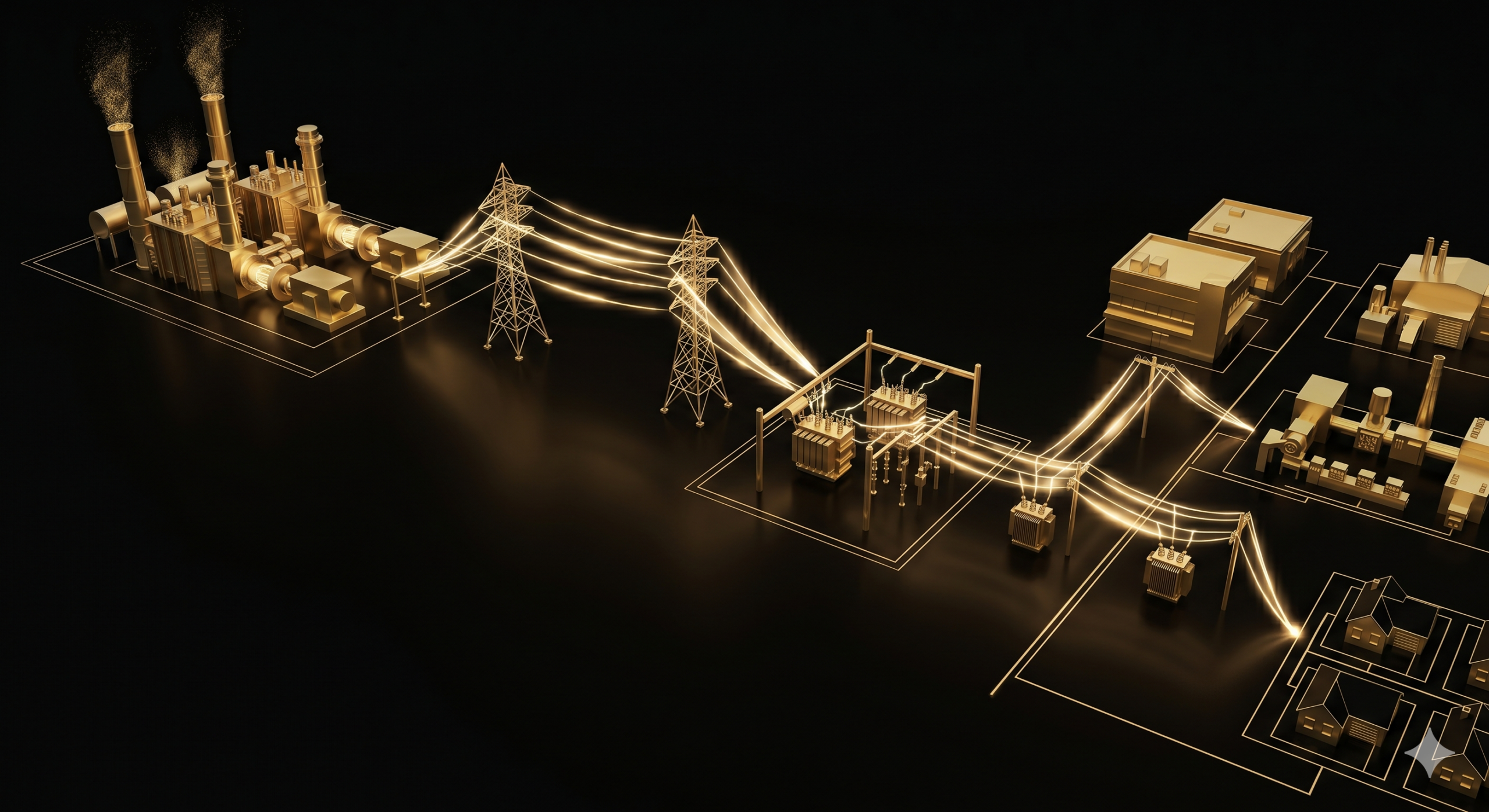
The course combines engineering theory, visual system analysis, practical applications, quizzes, and final assessments to reinforce technical understanding and operational decision-making.

What Will You Learn?

  • Power System Stability is a structured engineering training course focused on understanding generator behaviour, transient stability analysis, rotor angle dynamics, system disturbances, and real-world power system operation.
  • The course combines engineering theory, practical system behaviour analysis, stability equations, graphical methods, and technical assessments to build a strong foundation in transient stability studies for electrical power systems.
  • Understand the definition and classification of power system stability
  • Explain rotor angle, voltage, and frequency stability concepts
  • Understand synchronous generator operation and rotor angle behaviour
  • Apply the swing equation in transient stability analysis
  • Interpret the power transfer equation and network reactance effects
  • Analyse generator acceleration and deceleration during disturbances
  • Understand SMIB system behaviour during faults
  • Apply the Equal Area Criterion to assess stability
  • Identify causes of transient instability and loss of synchronism
  • Evaluate methods used to improve transient stability

Course Content

Module 1 — Fundamentals of Power System Stability
This module introduces the foundational principles of power system stability, grid behavior, electrical disturbances, voltage response, frequency control, and real-world operational analysis within modern electrical networks.

Scroll to Top